Screen distance trials
Arm-length checks and font scaling ideas that may reduce leaning. Not a substitute for an eyesight test with your optometrist.

We acknowledge Traditional Custodians of Country throughout Australia and their continuing connection to land, waters and community. We pay respects to Elders past and present.
Comfort shifts across the hour. We talk about gentle rhythms—stand, sip, look out the window—that keep focus fresh without dramatising how you feel.
Articles describe what office teams often try—from monitor height tweaks to footrest placement—in neutral words. No fear-based hooks and no promises of results.
Short blocks, clear headings and the icon rail help you jump to what you need in the gap between Teams calls.
Tap a tab to see how we usually frame the conversation. This is illustrative only—your workplace may differ.
We suggest logging glare at morning versus arvo sun, then trialling blinds or a side monitor angle. You document what feels steadier—no scoring, no wearables required.
Carry a short personal checklist (keyboard height, laptop riser) so each new desk gets a two-minute once-over. We help teams agree shared language so nobody is singled out.
Bench heights and cable trays vary. We compare photos (faces cropped) to talk about reach zones and where to park paperwork so screens stay central.
Recurring themes from conversations with teams across South East Queensland—not instructions, just shared vocabulary.
Arm-length checks and font scaling ideas that may reduce leaning. Not a substitute for an eyesight test with your optometrist.
Small changes across a week so preferences show up slowly—not one rushed Friday afternoon overhaul.
Optional calendar or audio prompts for a shoulder roll or a walk to the verandah—never punitive streaks.
We pair environmental notes with how people describe matte versus glossy panels in Australian afternoon sun.
When light tracks across a desk after lunch, minor shifts—tilting a blind, angling a laptop, or switching to a warmer display theme—can matter as much as chair tweaks. Our notes catalogue situational ideas you can try and discard freely.
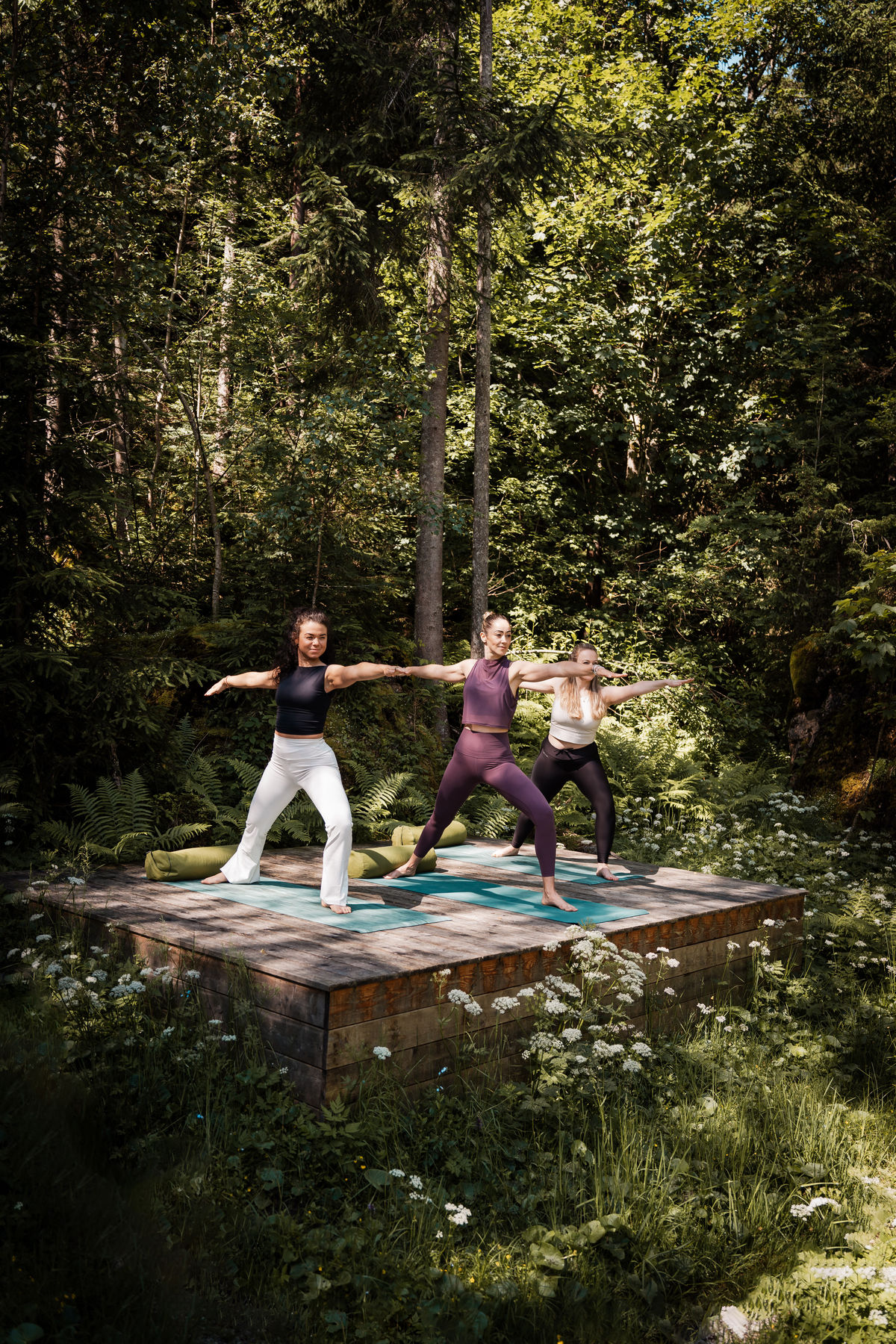
Instead of long exercise blocks, we map five-minute transitions—refill the water bottle, file one folder, step outside for cicada-level quiet.
Live sessions stay conversational. We demo adjustments on sample furniture, invite questions, and make opting out of any demo completely fine.
The clients page lists industries we have supported. We do not publish individual names or health histories—only workflow context.
Map courtesy of OpenStreetMap contributors. Street layouts change; double-check before you travel, especially during regional events.
The FAQ covers turnaround times, materials and what we deliberately do not offer.